




Bronchial Blocker vs DLT: Which Option Fits the Buyer’s Application?
 September 10, 2026
 551


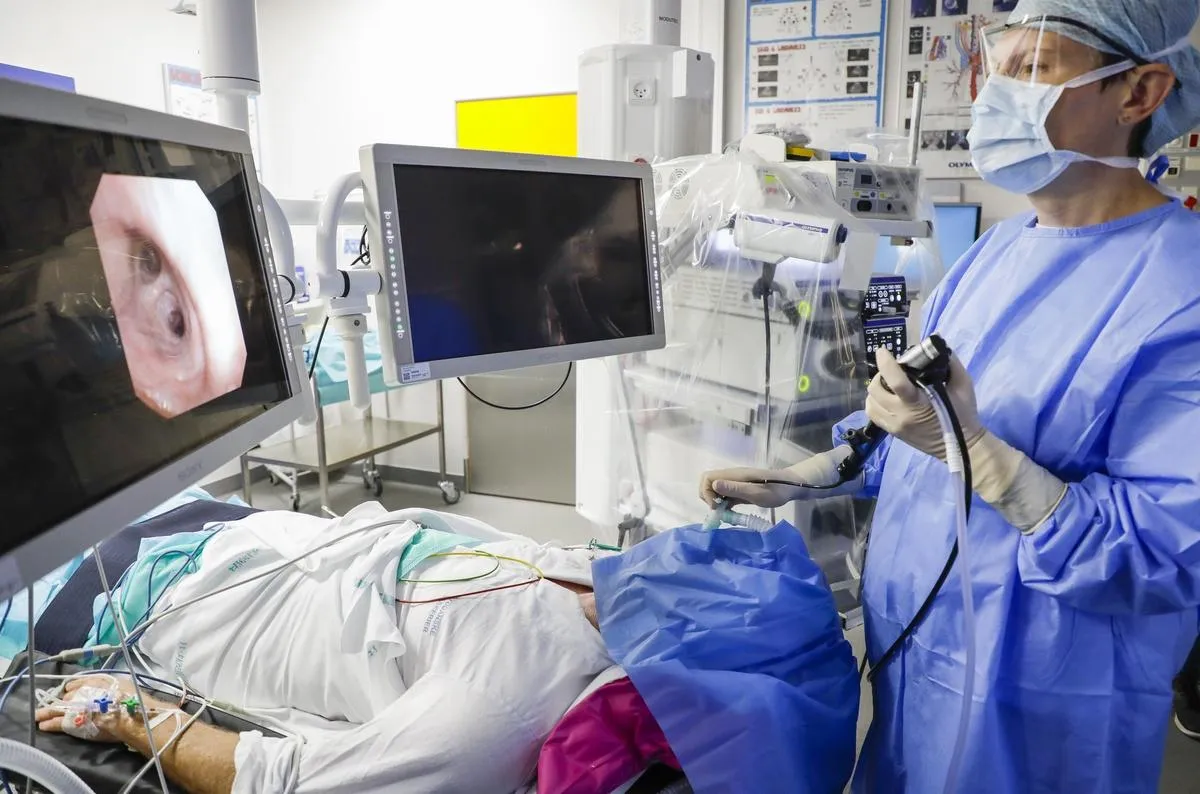
Bronchial blocker vs DLT comparison should begin with the supported clinical application, airway access, procedure type, patient group, visualization requirement, placement and verification workflow, suction needs, training, documentation and local protocol—not with a simple claim that one option is always better. A double-lumen tube and a bronchial blocker are different approaches to lung isolation and one-lung ventilation support. Literature comparing them reports trade-offs in placement speed, positioning stability, airway trauma risk and selected-use scenarios, while clinical choice remains patient- and procedure-specific. For procurement, the buyer’s task is to define which configuration their anesthesiology or thoracic team can safely use, verify and support.
Start With the Clinical Use Case and Local Protocol
One-lung ventilation equipment should never be selected as a generic catalogue item. The buyer first needs to define the intended procedure type, patient group, existing airway workflow, clinician training, operating-room setup and local institutional protocol. Procurement can support this decision, but it cannot replace the anesthesiology team’s clinical judgment.
The RFQ should distinguish between routine thoracic cases, anticipated difficult airway, pediatric or small-airway considerations, cases where postoperative ventilation with a single-lumen tube is likely, and procedures where suctioning or rapid lung collapse is especially important. These use cases can point toward different equipment priorities.
A hospital that already has a strong DLT workflow may value standardization and familiar placement processes. A team building a visualized bronchial blocker pathway may prioritize continuous visualization, blocker positioning, compatible scopes and training. The buyer should not ask suppliers to decide the clinical pathway from a keyword. The clinical pathway should guide the supplier’s product proposal.
UE Medical places one-lung ventilation-related devices within its Visualized One-Lung Ventilation Solution product category, which provides the relevant product-family context for this comparison.
DLT and Bronchial Blocker Solve the Same Broad Problem Differently
A double-lumen tube separates ventilation through two lumens and is commonly used for lung isolation in thoracic anesthesia. It can support suctioning and lung isolation through its own tube architecture. A bronchial blocker is typically used with a single-lumen endotracheal tube or another compatible airway pathway to block a bronchus and isolate the target lung region.
That structural difference creates the procurement trade-off. DLT evaluation focuses on tube size, left- or right-sided type, laryngoscopy and placement workflow, bronchoscopy confirmation, suction pathway, and whether the patient must be exchanged back to a single-lumen tube later. Bronchial blocker evaluation focuses on compatibility with the airway tube, blocker size and cuff, placement visualization, position stability, suction limitations, and whether the team can verify and monitor the blocker during the case.
Clinical reviews have found that DLTs may be faster to position and less prone to malposition in some analyses, while bronchial blockers may be associated with fewer selected airway symptoms or injuries in some comparisons. The evidence does not support a single universal winner for every patient and procedure. That is exactly why procurement should treat the choice as an application-fit decision rather than a brand or price decision.
Airway Access and Patient Factors Can Change the Preferred Device
The airway route determines whether the selected device is practical. DLTs are larger and more rigid than standard single-lumen tubes, so difficult airway or limited mouth opening can influence whether a DLT is appropriate. Bronchial blockers may be considered when a single-lumen tube pathway is preferred or already established, but they introduce their own placement and monitoring requirements.
Buyer-side inputs should include adult or pediatric use, anticipated airway difficulty, existing airway devices, tube-size constraints, need for postoperative ventilation, and whether the team expects to use bronchoscopy or video visualization during placement and confirmation.
Do not turn these inputs into automatic recommendations. A procurement article cannot decide patient care. It can, however, ensure that the RFQ contains the data needed for the supplier and clinical team to evaluate device fit.
The useful chain is:
patient group and airway access → device architecture → placement workflow → verification requirement → product configuration.
If the buyer skips the first link, quotations may compare devices that cannot realistically be used for the same patient population.
Placement and Verification Workflow Should Be Compared Explicitly
Both DLTs and bronchial blockers require correct positioning and confirmation under the facility’s clinical workflow. In many settings, bronchoscopy or visual confirmation is central to placement and verification. The product choice should therefore be evaluated with the imaging tools, monitor workflow and trained staff available in the operating room.
A buyer should ask:
- how the device is positioned and verified under the local protocol;
- whether a bronchoscope or flexible videoscope is required;
- which monitor or visualization platform is used;
- how position is checked after patient repositioning;
- what backup equipment is available if the device is displaced or the view is lost;
- what training materials or model-specific instructions are supplied.
DLT placement may be familiar to thoracic anesthesia teams, but it still needs confirmation and appropriate sizing. Bronchial blocker placement may support selected airway pathways, but the team must be able to position, monitor and manage the blocker. In both cases, the procurement decision should include visualization workflow, not only the disposable device.
Suction, Lung Collapse and Surgical Exposure Are Not Identical Requirements
One-lung ventilation is often discussed as if the goal is simply to isolate a lung. In practice, the operating team may also care about time to lung collapse, quality of surgical exposure, suction capability, secretion management and the ability to manage intraoperative changes.
DLTs can offer more direct suction through their lumens, which may be useful in some thoracic cases. Bronchial blockers may have different suction and deflation characteristics depending on design and setup. Some studies and reviews suggest DLTs may achieve faster device placement or lung collapse in certain scenarios, while other outcomes and complication profiles vary across studies.
The buyer should avoid reducing this to one statement such as “DLT is faster” or “blocker is safer.” The better RFQ asks the clinical team to rank the relevant factors for their procedures: rapid collapse, airway access, postoperative ventilation plan, visualization, suction, repositioning risk, teaching value and cost structure.
Those priorities determine the supplier evidence needed. A device that is acceptable for one surgery mix may not be acceptable for another.
Visualization Changes the Procurement Package
If the buyer is considering a visualized bronchial blocker pathway, the quotation should cover more than the blocker itself. It may require a compatible flexible scope or videoscope, monitor, airway platform, training process and verification workflow. Otherwise, the buyer may purchase the occlusion device without the visualization setup needed for confident placement and monitoring.
UE Medical’s Visualized One-Lung Ventilation Solution page is the target product reference for this article. It should be reviewed as a product-family and workflow reference rather than as a universal claim that every bronchial blocker use case is automatically covered.
The final configuration still depends on the buyer’s airway devices, scope compatibility, monitor availability, clinical training, disposable/reusable workflow and destination-market documentation. If the hospital already owns part of the visualization platform, the RFQ should say so. If the project requires the complete solution, each component should be listed separately.
Cost Comparison Should Include Device, Platform and Workflow
Comparing bronchial blocker vs DLT by unit cost alone can be misleading. The disposable device price is only one part of the decision. The buyer may also need visualization equipment, reusable scope processing, single-use scope stock, monitor/cable compatibility, training, backup devices, documentation and distribution packaging.
DLTs may appear simpler to price as a disposable tube. A bronchial blocker pathway may involve a blocker plus a single-lumen tube and visualization tools, but it may also reduce or avoid tube exchange in selected cases. The actual economic comparison depends on the hospital’s workflow, existing equipment and clinical policy.
Distributors and hospital procurement teams should separate the cost categories:
- disposable device per case;
- scope or visualization platform;
- monitor and accessory compatibility;
- training and trial quantities;
- inventory and shelf-life management;
- reprocessing or disposal workflow;
- documentation and market-registration support;
- service or replacement policy for reusable components.
Once those categories are visible, supplier quotations become easier to compare. A lower device price may not be lower if it requires equipment the hospital does not own or excludes documentation that the buyer needs.
Evidence Should Support the Chosen Path, Not Just the Product Name
For this topic, evidence should prove product fit within a defined clinical workflow. A buyer evaluating bronchial blockers, DLTs or a visualized one-lung ventilation solution should request documents that match the proposed configuration.
| Decision Area | DLT Evidence to Review | Bronchial Blocker / Visualized Path Evidence |
| Patient and procedure fit | Tube type, size range and intended use | Blocker size, compatible tube pathway and intended use |
| Placement workflow | Instructions for placement and confirmation | Placement, positioning and monitoring workflow with visualization tools |
| Visualization | Bronchoscopy confirmation requirements | Scope, monitor, connector and platform compatibility |
| Suction and collapse | Suction pathway and procedure fit | Deflation/suction limitations and accessory compatibility |
| Documentation | Market authorization, IFU and model evidence | Solution-level product documents, component evidence and deviations |
| Training | DLT sizing and positioning training materials | Blocker placement, visualization and troubleshooting training materials |
The table should not be read as a clinical recommendation. It shows what evidence belongs in the supplier review when a clinical team has identified the pathway it wants to evaluate.
How Should Buyers Avoid Comparing Incompatible Quotations?
Incompatible quotations often happen because the RFQ names a device but not the workflow. One supplier may quote a standalone blocker. Another may include a videoscope and monitor. A third may quote DLTs only. A fourth may offer a broader airway management package. Without a defined pathway, the commercial comparison becomes unstable.
Before requesting final pricing, define:
- the clinical pathway being evaluated;
- whether the quotation is for DLT, bronchial blocker, or visualized blocker solution;
- which airway tube or scope is assumed;
- whether visualization equipment is included or already owned;
- what accessories and backup devices are required;
- what documentation and market evidence are required;
- what trial or evaluation quantity is needed before standardization.
Supplier responses should list included components and excluded assumptions. If a supplier recommends switching from one pathway to another, that recommendation should be clearly marked as an alternative, not presented as the same quotation.
Application Boundary: When Does the Answer Change?
The answer changes when the procedure mix, patient group, airway access or institutional workflow changes. A routine adult thoracic program, a difficult-airway pathway, a pediatric service and a hospital seeking continuous visualization may reach different procurement decisions.
The answer also changes when local regulation, hospital formulary rules, clinician credentialing or a specific surgical requirement dictates a device type. In that situation, supplier evaluation should focus on whether the offered device supports the already-defined pathway.
If the buyer has not involved the anesthesiology or thoracic team, the RFQ is not ready. Lung isolation devices are procedure-critical products; procurement should not finalize the architecture without clinical validation.
Build the Final RFQ Around the Supported Application
A complete RFQ for bronchial blocker vs DLT evaluation should include:
- target procedures and departments;
- adult, pediatric or mixed patient group;
- anticipated difficult-airway or special airway considerations;
- whether the project evaluates DLT, bronchial blocker, or both;
- existing airway tubes, scopes, monitors and carts;
- required placement and confirmation workflow;
- suction, lung-collapse and surgical-exposure priorities;
- single-use and reusable workflow requirements;
- training, demonstration or trial quantity;
- documentation and market authorization requirements;
- component list required in the quotation;
- backup device requirements;
- inventory, packaging and shelf-life needs;
- supplier deviations, assumptions and alternative recommendations.
Ask suppliers to respond in the format Selected Pathway / Included Components / Visualization Requirement / Documentation Scope / Training Scope / Deviation / Buyer Input Required. After the clinical and workflow assumptions are aligned, buyers can submit a project inquiry through UE Medical’s contact page for the Visualized One-Lung Ventilation Solution and related airway management products.
-
 Bronchoscopy Simulation: What Should Training Systems Measure?September 23, 2026
-
How Much Does a Video Laryngoscope Cost? Key Price Factors for Hospital BuyersSeptember 28, 2026
-
How AI Can Support Structured Bronchoscopy Training for CliniciansSeptember 23, 2026
-
How to Compare Single-Use Bronchoscope Configurations for Hospital ProcurementSeptember 18, 2026


 Room 3301, Sunon Central Business Building,
No. 200 Citizen Street, Shangcheng District, Hangzhou, Zhejiang, 310020, China
 +86 755 8977-4077