




How Should Buyers Compare Video Laryngoscope Platforms for Clinical Procurement?
 September 3, 2026
 849


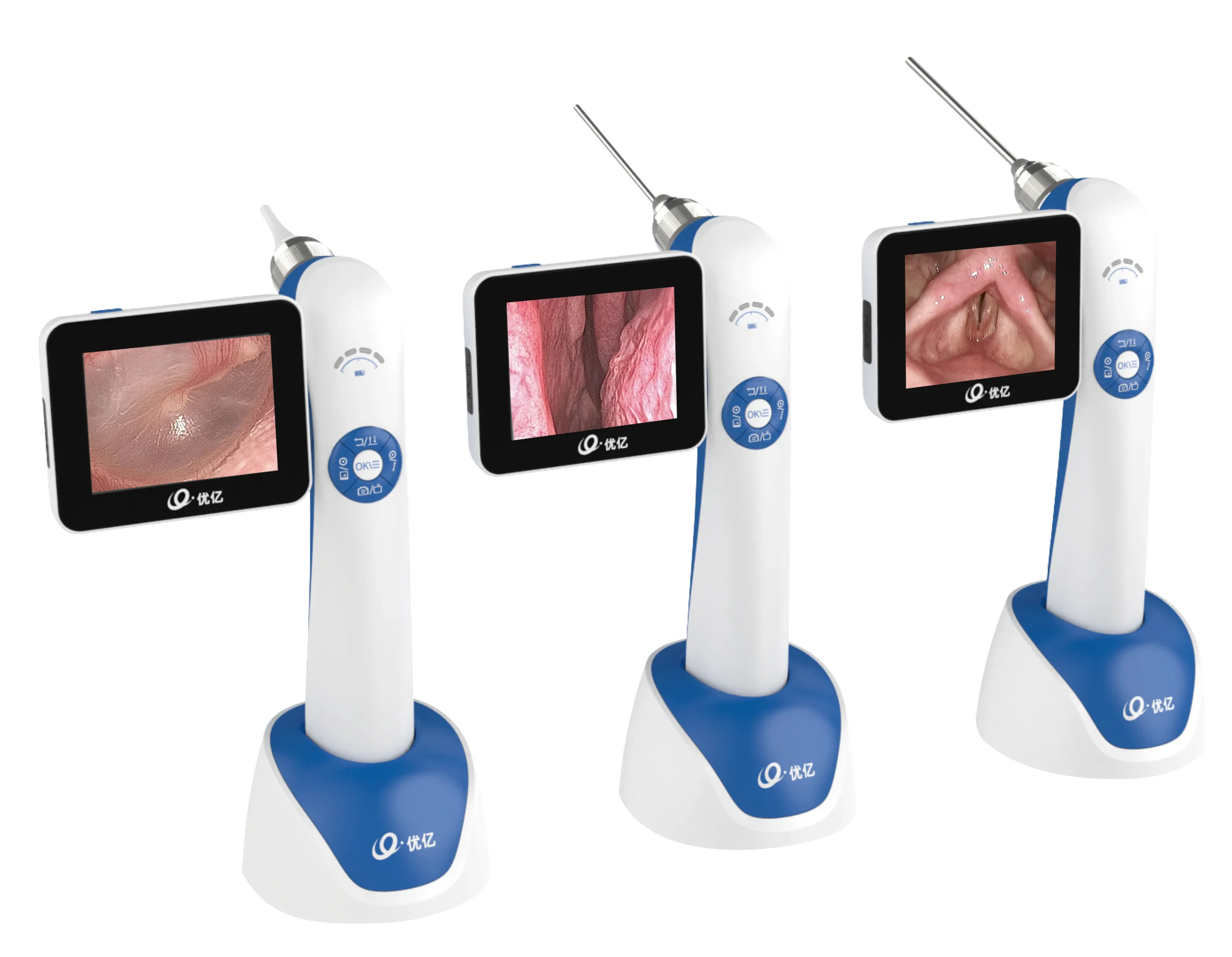
Hospitals should compare video laryngoscopes as clinical platforms, not as isolated handles or headline specifications. The purchasing decision must connect care locations, intended patient coverage, blade and handle configurations, display architecture, power readiness, reusable and disposable components, cleaning workflow, training, inventory, service and acceptance evidence. No single screen size, blade angle or price proves that a platform fits an operating room, emergency department, ICU and difficult-airway cart equally well. A defensible procurement process starts with deployment map → required configurations → infection-control pathway → readiness model → training → trial acceptance → lifecycle supply, then asks each supplier to identify exactly what is included, optional or incompatible.
Define the Deployment Model Before Comparing Devices
A platform selected for one anesthesia room faces a different decision from a standardized fleet deployed across operating theatres, emergency areas, critical care units and mobile airway carts. Buyers should map locations, expected availability, storage, charging, movement between departments and responsibility for daily readiness.
This map determines the number of displays or handles, blade stock, protective storage, charging points and backup units. It also exposes whether departments are proposing different configurations under one product name. Hospitals can review the available family through UE Medical’s video laryngoscope category before building a location-by-location configuration schedule.
Which Patient and Blade Pathways Must the Platform Cover?
Buyers should ask clinical stakeholders to define the required patient and blade pathway without assuming that every handle accepts every blade. Relevant questions include patient population, approved blade sizes and geometries, reusable or single-use pathway, connection method, tube-delivery accessories where applicable, and how the correct configuration is identified at the point of care.
The output should be a controlled compatibility matrix: location → intended users → handle/display → blade family and sizes → consumables → backup. Supplier literature may show a family of configurations, but the quotation must state which combination is actually offered. Visual similarity between blades is not compatibility evidence.
Why Does Display Architecture Change the Procurement Decision?
Some workflows prioritize a compact integrated display; others may value a larger shared view or supported data functions. The buyer should specify viewing requirements, display positioning, connection architecture, boot/readiness expectation, permitted recording or transmission functions and the hospital’s privacy and cybersecurity review where applicable.
A feature being available does not mean it should be activated in every facility. If image capture, storage or wireless functions are proposed, the supplier should describe the exact supported function and the hospital should determine permitted use, access control, retention and network approval. Procurement should not infer a data workflow from a marketing phrase.
Build a Platform Decision Table
| Decision Area | Hospital Input | Supplier Confirmation | Acceptance Evidence |
| Deployment | OR, ED, ICU, carts and quantities | Exact platform allocation | Configuration schedule |
| Patient coverage | Required clinical population | Approved blade/handle matrix | Datasheet/IFU matrix |
| Blade pathway | Reusable or single-use policy | Compatible blade codes and packs | Samples and item list |
| Display | Viewing and portability needs | Exact display configuration | Trial record |
| Power | Charging, shift and backup model | Battery/charger scope | Readiness test |
| Data | Permitted capture/connectivity | Supported functions and interfaces | IT/privacy approval |
| Cleaning | Institutional workflow | Component-specific instructions | Approved SOP review |
| Service | Uptime and replacement expectations | Warranty/service/spares plan | Service statement |
How Should Buyers Separate Reusable and Disposable Components?
“Video laryngoscope” does not by itself define the infection-control pathway. Each quoted component should be classified: reusable, single-use, supplied sterile or non-sterile as applicable, and subject to which approved cleaning or disposal instructions. Buyers should identify blade consumption assumptions separately from reusable capital equipment.
This separation improves both safety review and commercial comparison. One quotation may appear less expensive because blades, chargers, protective storage or required accessories are excluded. A lifecycle worksheet should distinguish initial platform cost, recurring items, cleaning resources, replacement components and service coverage without claiming that one pathway is universally superior.
Readiness Includes Power, Storage and Daily Checks
A device stored on an airway cart must be ready when needed. The procurement group should establish charging locations, battery-status checks, backup arrangement, blade stock levels, storage protection and ownership of daily or shift-based readiness checks. The supplier should state the exact charger, battery and included accessories for the quoted configuration.
Where a system moves between departments, standardized storage and identification can reduce the chance that a compatible blade or power accessory is missing. Readiness acceptance should be tested in the planned storage and deployment arrangement, not only on a demonstration table.
How Should Cleaning and Reprocessing Be Reviewed?
Environmental services, infection prevention, sterile processing or other responsible functions should review the instructions for every reusable component. The hospital must identify which parts contact the patient, which are protected by a single-use element, which require cleaning or disinfection, and whether the approved method fits local equipment and chemicals.
A supplier should provide current component-specific instructions rather than a single generic statement for the platform. Hospitals should not improvise a process from a competitor device or assume that similarly shaped components have identical treatment limits.
Training Should Test the Platform, Not Just a Single Demonstration
A platform trial should involve the intended departments and evaluate configuration selection, assembly, startup, display positioning, blade recognition, power readiness, cleaning handoff, storage and fault reporting. Clinical technique remains within professional training and institutional governance; procurement acceptance should focus on whether the platform and support system can be deployed consistently.
The trial record should identify users or roles, exact model and blade configuration, location, training material, issues, corrective action and approval status. If multiple configurations are proposed, each critical pathway needs evaluation rather than assuming approval of one unit covers the entire family.
How Should Buyers Evaluate the UE UED-C Platform?
The UE Video Laryngoscope UED-C product page lists a 45-degree blade design, multiple handle and blade configurations, imaging, touchscreen and Wi-Fi/data-management features. These are useful starting points for a project review, but they do not define the contents of a specific quotation or prove compatibility with every hospital workflow.
Buyers should ask UE Medical to identify the exact handle, blade pathway, display, charger, included accessories, supported data functions, cleaning instructions and destination-market documentation offered. Where wireless or data functions are not required or permitted, that boundary should be recorded. Product-family options should not be read as features simultaneously included in every configuration.
What Procurement Errors Create Platform-Level Risk?
Comparing one headline specification
Screen size, camera resolution or blade angle cannot represent patient coverage, readiness, cleaning and lifecycle supply.
Leaving the blade matrix undefined
The capital device may arrive before the correct blade types, sizes or quantities have been approved and stocked.
Ignoring data governance
Capture or wireless features may be technically available but not approved for the facility’s privacy, security or network environment.
Testing only a sales demonstration
A tabletop demonstration does not verify storage, charging, department handoff, cleaning or multi-location deployment.
Comparing incomplete commercial scopes
Different quotations may include different blades, chargers, cases, carts, warranties or training, making unit-price ranking misleading.
What Should a Video Laryngoscope Platform RFQ Include?
- Hospital, destination market and procurement entity.
- Deployment locations and number of stations/carts.
- Intended patient and approved-use coverage.
- Required handle and display architecture.
- Blade types, sizes, quantities and reusable/single-use pathway.
- Required accessories and tube-delivery compatibility where applicable.
- Power, charger, storage and backup requirements.
- Permitted image, data, wireless and connectivity functions.
- Privacy, cybersecurity or IT review requirements.
- Component-specific cleaning/reprocessing information.
- Training plan and departments included.
- Trial/sample and acceptance protocol.
- Regulatory and technical documents for the destination.
- Warranty, service, loaner/replacement and spare-component expectations.
- Initial quantity, recurring blade forecast, delivery and packing.
- List of included items, options and deviations.
Require the response format Confirmed / Deviation / Alternative / Buyer Input Required. Send the deployment map and blade matrix through UE Medical’s clinical product inquiry page so the quoted platform can be evaluated as a complete, traceable configuration.
-
 Bronchoscopy Simulation: What Should Training Systems Measure?September 23, 2026
-
How Much Does a Video Laryngoscope Cost? Key Price Factors for Hospital BuyersSeptember 28, 2026
-
How AI Can Support Structured Bronchoscopy Training for CliniciansSeptember 23, 2026
-
How to Compare Single-Use Bronchoscope Configurations for Hospital ProcurementSeptember 18, 2026


 Room 3301, Sunon Central Business Building,
No. 200 Citizen Street, Shangcheng District, Hangzhou, Zhejiang, 310020, China
 +86 755 8977-4077