




What Should Buyers Verify When Selecting a Single-Use Bronchoscope Supplier?
 September 3, 2026
 642


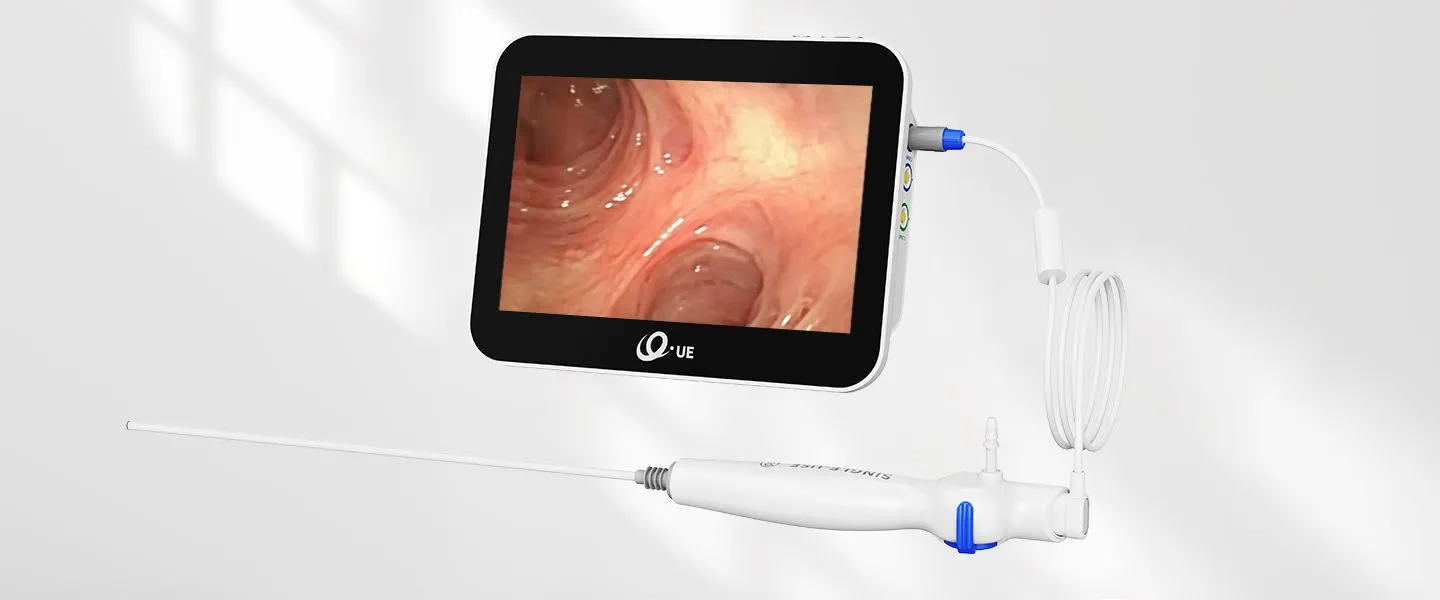
Selecting a single-use bronchoscope supplier requires more than comparing the scope name, image quality claim or unit price. A hospital or distributor should first define the intended clinical setting, required scope and working-channel configuration, compatible display system, accessory pathway, sterile-packaging expectations, market documentation, training plan and replenishment model. The supplier must then identify the exact offered configuration and any limits or deviations. A disposable design can reduce dependence on scope reprocessing, but it does not replace approved clinical protocols, aseptic handling, staff competency or local waste procedures. A useful RFQ therefore connects clinical duty + device configuration + workstation compatibility + sterile supply + evidence + service continuity before price comparison begins.
Start With the Clinical Duty, Not the Product Label
“Single-use bronchoscope” describes a product family, not a complete procurement specification. The same hospital may need bronchoscopic visualization in a pulmonary procedure area, operating room, ICU, emergency department or another approved setting. Each location can create a different combination of access, mobility, monitor availability, storage, staff training and readiness requirements.
Buyers should document who will use the system, where it will be stored, which approved procedures are in scope and whether the device will support routine schedules, isolation pathways, standby carts or emergency availability. This is a procurement definition, not a clinical instruction. Clinical indication and use remain subject to the device instructions, qualified professionals and institutional policy.
Hospitals exploring the wider equipment family can begin with UE Medical’s endoscope product category, then narrow the comparison to the bronchoscope configuration appropriate to the planned department.
Which Scope and Channel Variables Must Buyers Freeze?
Procurement teams should avoid treating one bronchoscope size as universal. The offered scope has to be checked against the intended patient population, access pathway, approved accessories and the clinical department’s established practice. The RFQ should request the supplier’s exact model matrix rather than copying a size from an unrelated project.
Important variables include insertion-section dimensions, distal-end configuration, working-channel availability and compatibility, usable length, field and articulation specifications where applicable, and the approved accessory pathway. These details must come from the current product documentation for the specific model and destination market. A catalogue range does not mean every combination is available in one device.
Why Must the Scope and Display Be Evaluated as One System?
A scope cannot be evaluated only as a sterile handheld item. Buyers also need to establish how the image is displayed, how the scope connects, what power or interface is required, how the workstation moves between rooms, and what happens when a component is unavailable. The complete pathway is:
Single-use scope → connection/interface → image processor or display → clinical viewing → permitted data workflow
The supplier should confirm the compatible monitor or workstation, included and optional components, connection method, power arrangement, and any supported image or data functions. If the hospital already owns compatible equipment, model and revision details should be supplied for confirmation. Physical connection alone is not sufficient evidence of approved system compatibility.
What Should a Hospital Compare Before Supplier Approval?
| Buyer Input | Supplier Confirmation | Risk if Missing | Evidence |
| Department and intended use | Approved product/configuration | Unsuitable procurement scope | Product documentation and local review |
| Patient and procedure range | Relevant model matrix | Incomplete coverage | Model/configuration schedule |
| Scope and working channel | Exact dimensions and compatibility | Accessory or access mismatch | Datasheet/IFU |
| Display platform | Compatible workstation and interfaces | Scope cannot form a usable system | System configuration list |
| Sterile supply | Packaging, labeling and shelf-life basis | Receiving or inventory rejection | Label/sample pack documentation |
| Destination market | Applicable regulatory/document scope | Market-entry delay | Market-specific document list |
| Demand profile | Lead time and replenishment plan | Clinical stock interruption | Quoted supply plan |
| Acceptance plan | Sample, training and verification support | Unresolved issues after purchase | Approval protocol |
How Should Buyers Review Sterile Packaging and Traceability?
A single-use purchasing decision shifts attention from reusable-scope reprocessing capacity toward sterile inventory control. Buyers should confirm unit packaging, labeling language, model identification, lot or serial traceability as applicable, expiry/shelf-life information, storage conditions, shipping protection and the evidence required at receipt. Requirements can differ by market and institution, so the RFQ should state the destination and governing purchasing specification.
Sample-pack review is useful before bulk approval. Receiving, infection prevention, clinical engineering and the user department can check whether the label, pack presentation, storage footprint and identification workflow fit local processes. The review should not assume that an online image represents the final destination-market pack.
Does Single Use Remove Infection-Control Responsibilities?
No. A single-use design may remove the need to reprocess that particular scope after its approved use, but it does not eliminate requirements for package-integrity checks, aseptic presentation, correct storage, compatible accessories, environmental cleaning around the system or disposal under local policy. It also does not authorize reuse.
Supplier claims should therefore be separated from hospital responsibilities. The supplier defines the device, approved use, packaging and supporting documentation. The healthcare institution defines clinical governance, staff authorization, storage, handling and waste processes. These boundaries should be reviewed before product introduction rather than left for the first live case.
Why Are Logistics and Readiness Part of Product Performance?
For disposable devices, supply continuity is an operational design variable. A technically acceptable scope is not enough if the replenishment plan cannot support the number of clinical locations, expected monthly use, emergency stock, expiry rotation and lead-time variability. Buyers should provide an estimated demand profile and ask the supplier to state pack quantity, minimum order conditions, production or dispatch lead time, shipping assumptions and contingency options.
The comparison should use total deployment scope rather than a bare unit price. Display equipment, carts, accessories, training, local inventory, spare interfaces and documentation may sit outside the scope price. Quotations should clearly mark what is included, optional, reusable or consumed per case.
What Should Sample Approval Verify?
A sample program should be defined as a controlled pre-purchase evaluation. It may include packaging and label review, physical configuration, connection to the specified display system, image-system startup, approved accessory compatibility, department storage, cleaning of reusable system components, user orientation and documentation review. Clinical evaluation, if performed, must follow the institution’s governance and the manufacturer’s approved instructions.
The approval record should list the exact sample model, display configuration, software or hardware revision where relevant, accessories, finding, deviation and responsible approver. “Sample passed” without configuration identity is weak evidence for a later bulk shipment.
How Should Buyers Evaluate UE Medical’s Single-Use Bronchoscope?
UE Medical’s Single-use Bronchoscope product page provides a concrete product-family entry for evaluation. Buyers should use it to start a model-specific discussion, then ask UE Medical to confirm the exact scope, compatible display system, supplied accessories, packaging, documentation and availability for the quoted project.
A web page establishes that a product family exists; it does not replace the quotation, approved configuration, instructions for use or destination-market documentation. Any option shown online should be treated as subject to exact model and order confirmation.
What Should a Single-Use Bronchoscope RFQ Include?
- Healthcare facility, country and purchasing entity.
- Clinical departments and intended approved use.
- Patient/procedure coverage required by the institution.
- Requested bronchoscope model or required configuration.
- Insertion-section, working-channel and usable-length requirements.
- Accessories and compatibility requirements.
- Existing or required display/workstation configuration.
- Image, data and connectivity requirements, if applicable.
- Sterile packaging, labeling language and shelf-life requirements.
- Regulatory and document requirements for the destination.
- Sample and acceptance protocol.
- Training and user-support scope.
- Monthly/annual forecast and emergency stock assumptions.
- Quantity, delivery schedule and destination.
- Required deviations and alternatives statement.
Ask the supplier to return every critical line as Confirmed / Deviation / Alternative / Buyer Input Required. To align a model, display platform and supply plan, submit the completed requirement set through UE Medical’s product inquiry form.
Frequently Asked Questions
Is a single-use bronchoscope automatically suitable for every department?
No. The intended use, model configuration, display system, accessories, documentation and institutional workflow still need approval.
Can buyers compare suppliers only by price per scope?
No. Compare the complete deployment scope, including compatible display equipment, accessories, packaging, training, logistics and evidence.
Does a disposable scope eliminate all reprocessing work?
It may eliminate reprocessing of that scope after approved use, but reusable displays and surrounding equipment still follow applicable cleaning policies, and sterile handling remains necessary.
What evidence should be frozen before a bulk order?
Freeze the quoted model/configuration, compatibility statement, packaging and label scope, required market documents, sample record, delivery plan and deviations.
-
 Bronchoscopy Simulation: What Should Training Systems Measure?September 23, 2026
-
How Much Does a Video Laryngoscope Cost? Key Price Factors for Hospital BuyersSeptember 28, 2026
-
How AI Can Support Structured Bronchoscopy Training for CliniciansSeptember 23, 2026
-
How to Compare Single-Use Bronchoscope Configurations for Hospital ProcurementSeptember 18, 2026


 Room 3301, Sunon Central Business Building,
No. 200 Citizen Street, Shangcheng District, Hangzhou, Zhejiang, 310020, China
 +86 755 8977-4077